
How Smart Home Wiring Improves Connectivity?
In the modern age of technology, smart homes are no longer a luxury—they are becoming a standard for households seeking convenience, efficiency, and seamless connectivity. A strong foundation for any smart home system is its wiring.
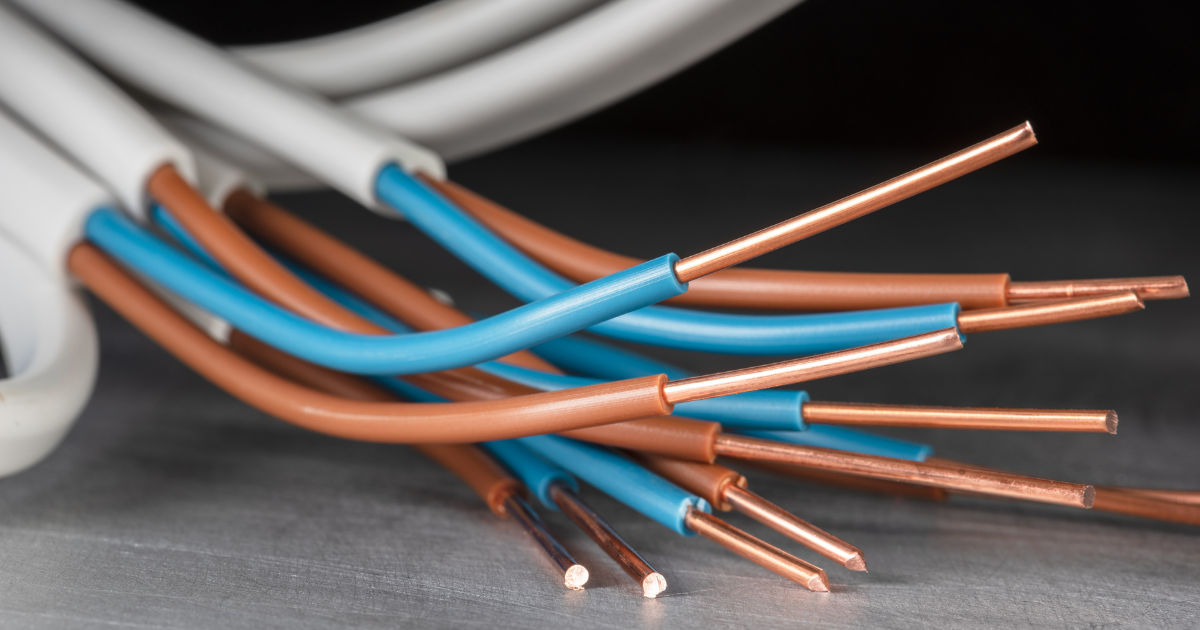 Proper wiring ensures that devices communicate effectively, systems work reliably, and your home is future-proofed for technological upgrades. Choosing the right materials and suppliers, such as a trusted AGE Cables Supplier, is crucial for achieving optimal results.
Smart home wiring can significantly enhance connectivity, enabling devices to work together smoothly. Whether it’s lighting, security systems, entertainment, or energy management, the backbone of smart home technology lies in robust wiring infrastructure.
In this guide, we will explore how smart home wiring improves connectivity, the types of wiring systems available, best practices, and how the right cables make all the difference.
Understanding Smart Home Wiring
Smart home wiring is more than just connecting devices to electricity. It involves creating a network that allows devices to communicate, transfer data, and respond intelligently. This network often includes Ethernet cables, coaxial cables, fiber optics, and specialized low-voltage wiring for smart systems.
The main goals of smart home wiring include:
-
Seamless Communication: Ensuring devices like smart lights, thermostats, and security cameras can communicate without delays.
-
Reliable Power Supply: Providing consistent and stable power to prevent outages or system failures.
-
Future-Proofing: Supporting upgrades as technology evolves.
-
Reduced Interference: Minimizing signal loss and interference between devices.
A quality AGE Cables Supplier can provide the right types of cables for each purpose, ensuring the system functions efficiently and remains reliable over time.
Benefits of Proper Smart Home Wiring
Enhanced Connectivity
The most obvious benefit of proper smart home wiring is enhanced connectivity. Wired systems are generally faster and more reliable than wireless networks. While Wi-Fi is convenient, it can be subject to interference, signal drops, or slow speeds. Ethernet wiring or well-structured cable systems reduce these issues, allowing smart devices to operate efficiently.
Improved Security
Smart home systems often handle sensitive information, such as security camera footage and personal data. A wired connection minimizes exposure to hacking risks, making the home network safer. Properly shielded cables, sourced from a reliable AGE Cables Supplier, further protect the system against external interference and cyber threats.
Reduced Latency
Latency, the delay between sending and receiving data, can disrupt smart home operations. For example, a voice command to turn on the lights may be delayed if the system relies solely on wireless connections. Properly installed wiring reduces latency, ensuring devices respond instantly.
Scalability
As technology advances, homeowners often want to add new devices or systems. A well-wired home allows for easy expansion. New devices can be integrated without extensive rewiring or compromising network performance. Choosing a dependable AGE Cables Supplier ensures that the wiring supports future upgrades.
Energy Efficiency
Smart homes rely on sensors and automation to optimize energy use. Devices like smart thermostats, lighting controls, and energy monitors require constant communication with each other. Stable wired connections help maintain accurate data flow, ensuring energy-efficient operation.
Types of Smart Home Wiring
Understanding the types of wiring used in smart homes is essential for planning and implementation. Each type serves a specific purpose and contributes to overall connectivity.
Ethernet Cables
Ethernet cables are the backbone of wired home networks. They provide high-speed data transfer and stable connections for devices such as smart TVs, gaming consoles, and central smart hubs. CAT5e and CAT6 cables are common choices for smart homes.
-
CAT5e: Suitable for most standard smart home networks with speeds up to 1 Gbps.
-
CAT6: Supports higher bandwidth and is ideal for homes with multiple high-speed devices.
A reliable AGE Cables Supplier can provide quality Ethernet cables with proper shielding and insulation to ensure long-term performance.
Coaxial Cables
Coaxial cables are traditionally used for television and internet connections. In smart homes, they may also support high-speed internet for cable-based systems. Proper installation and high-quality materials reduce signal degradation, which is critical for seamless streaming and connectivity.
Fiber Optic Cables
Fiber optic cables transmit data using light signals and provide the fastest possible internet speeds. While more expensive, they are ideal for high-bandwidth smart home applications, including streaming, cloud storage, and security systems.
Low-Voltage Wiring
Low-voltage wiring is used for devices such as smart doorbells, sensors, and intercoms. These cables consume less power and allow communication between devices without interfering with high-voltage electrical systems. Sourcing these cables from a trustworthy AGE Cables Supplier ensures compatibility and reliability.
Planning a Smart Home Wiring System
Proper planning is critical to maximize connectivity and efficiency in a smart home. A structured approach involves several steps:
1. Assess Your Needs
Start by listing all the smart devices you plan to install, including:
-
Lighting systems
-
Thermostats
-
Security cameras
-
Smart locks
-
Entertainment systems
-
Sensors and alarms
This assessment helps determine the types and lengths of cables needed.
2. Create a Wiring Layout
A detailed wiring layout ensures efficient cable management. Consider factors such as:
-
Cable routing through walls, ceilings, and floors
-
Minimizing crossovers and interference
-
Proximity to power sources and devices
A well-planned layout reduces future maintenance and troubleshooting issues.
3. Choose Quality Materials
Selecting high-quality cables is crucial for performance. A reputable AGE Cables Supplier offers cables that meet industry standards and ensure reliable connectivity. Avoid cheap alternatives, which may degrade over time and compromise network performance.
4. Install Conduits
Conduits protect cables from physical damage, moisture, and wear. They also allow for easy upgrades without tearing down walls. Conduit planning is essential for long-term maintenance.
5. Test the System
After installation, test each connection to ensure devices communicate effectively. Identify any weak spots or potential interference points. Correcting issues early prevents connectivity problems in the future.
Best Practices for Smart Home Wiring
Following best practices ensures your smart home wiring performs optimally and remains reliable over time.
Keep Power and Data Cables Separate
Power cables can generate electromagnetic interference (EMI), which may disrupt data transmission. Always run power and data cables separately to minimize signal interference.
Label Cables
Labeling cables simplifies maintenance and future upgrades. Identify each cable by its destination and function. This practice saves time during troubleshooting and avoids accidental disconnections.
Use Shielded Cables
Shielded cables reduce interference and protect sensitive data. This is particularly important for Ethernet and coaxial cables in smart home systems. A reputable AGE Cables Supplier can provide high-quality shielded options.
Plan for Expansion
Technology evolves quickly. Include extra conduits or cable runs to accommodate future devices. Planning for expansion reduces the need for costly rewiring.
Regular Maintenance
Even with high-quality cables, regular maintenance is essential. Check connections periodically, replace damaged cables, and update your system as needed to maintain optimal performance.
Common Smart Home Wiring Challenges
Despite careful planning, homeowners may encounter challenges. Being aware of these issues allows for proactive solutions.
Signal Interference
Wireless devices may experience interference from nearby electronics or structural obstacles. Proper wiring can reduce reliance on wireless connections, minimizing interruptions.
Overcrowded Conduits
Running too many cables through a single conduit can cause overheating or physical damage. Use multiple conduits for large installations to avoid congestion.
Poor Cable Quality
Cheap or substandard cables may degrade over time, leading to connectivity issues. Investing in quality products from a trusted AGE Cables Supplier ensures longevity and reliability.
Incorrect Installation
Improperly installed wiring can cause data loss, slow performance, or device malfunction. Hiring experienced professionals or following detailed guides ensures correct installation.
How AGE Cables Supplier Supports Smart Home Wiring
Choosing the right cables is a critical step in smart home wiring. A reliable AGE Cables Supplier provides:
-
Certified Quality: Products meet industry standards and ensure safe, efficient performance.
-
Variety of Options: Ethernet, coaxial, fiber optic, and low-voltage cables to suit all smart home needs.
-
Technical Support: Guidance on selecting the right cables and proper installation.
-
Future-Proof Solutions: Cables designed to support emerging technologies and high-bandwidth applications.
By partnering with a trusted supplier, homeowners can avoid common pitfalls and enjoy seamless connectivity in their smart homes.
Smart Home Wiring and Connectivity in Daily Life
Proper wiring improves everyday experiences in multiple ways:
-
Lighting Automation: Lights respond instantly to voice commands or motion sensors.
-
Security Systems: Cameras and alarms operate without interruption, ensuring safety.
-
Entertainment: Streaming devices and smart TVs maintain high-quality connections.
-
Climate Control: Thermostats communicate with sensors to optimize energy usage.
-
Voice Assistants: Smart speakers respond quickly to commands, even in large homes.
The foundation of all these benefits is reliable wiring that supports uninterrupted data flow.
Conclusion
Smart home wiring is the cornerstone of connectivity, efficiency, and convenience. By investing in high-quality cables and planning a structured wiring system, homeowners can enjoy seamless communication between devices, reduced latency, improved security, and energy efficiency. Choosing a reputable AGE Cables Supplier ensures the use of quality materials that meet industry standards and support future technological upgrades.
From Ethernet and coaxial cables to fiber optics and low-voltage wiring, each component contributes to a reliable network. Proper planning, installation, and maintenance are essential for long-term performance. Following best practices, such as separating power and data cables, labeling connections, and using shielded cables, further enhances system reliability.
In the rapidly evolving world of smart home technology, having a robust wiring system ensures that your home remains adaptable, secure, and efficient. Whether you are building a new smart home or upgrading an existing one, proper wiring lays the foundation for a connected future, allowing your devices to communicate seamlessly and your home to operate at its best. With a trusted AGE Cables Supplier, you can achieve a smart home that delivers optimal performance, convenience, and peace of mind for years to come.