
Can handcrafted necklaces be layered?
Layering necklaces is a stylish way to express your personality, add depth to an outfit, and create a look that feels unique to you. Whether you prefer delicate chains, colorful beads, meaningful pendants, or natural gemstones, combining different pieces can make your jewelry more interesting. Handcrafted necklaces are especially suitable for layering because they often feature distinctive designs, artistic details, and personal touches that are difficult to find in mass-produced jewelry. 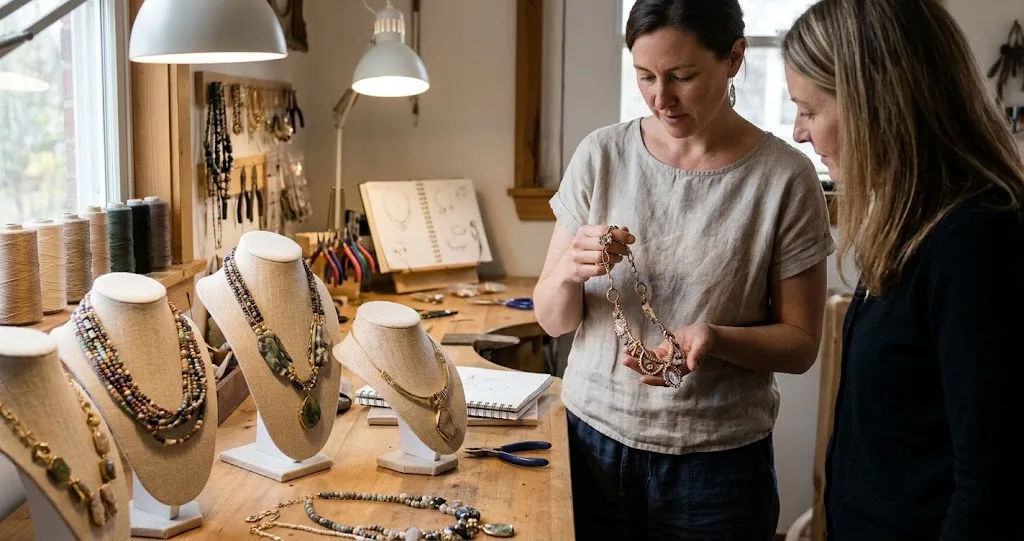 The best part about layering is that there are no strict rules you must follow. You can create a simple, elegant combination for everyday wear or choose several eye-catching pieces for a special occasion. The key is to understand how necklace lengths, materials, colors, and designs work together.
If you have ever wondered whether handmade jewelry can be layered without looking messy or overcrowded, the answer is yes. With thoughtful choices and a little experimentation, you can build beautiful combinations that complement your clothing and highlight your individual style.
This comprehensive guide explains how to layer necklaces, which styles work best together, how to choose suitable lengths, and how to care for your jewelry so that every piece remains attractive and wearable.
Why Layering Necklaces Is So Popular
Necklace layering has become a popular fashion choice because it allows people to create a personalized look using jewelry they already own. Instead of wearing just one necklace, you can combine several pieces to make an outfit feel more complete.
Layering also gives you greater flexibility. A short chain can look simple on its own, while adding a longer pendant necklace creates a more detailed appearance. You can change the combination depending on your clothing, mood, or the occasion.
Another advantage is that layering allows you to showcase meaningful jewelry. You might wear a necklace purchased during a memorable trip alongside a handmade pendant gifted by someone special. Together, these pieces can tell a story about your experiences and personal taste.
The Beauty of Unique Designs
Unlike jewelry that follows the same production patterns, handmade necklaces may feature unusual beads, carefully shaped pendants, textured metals, and distinctive color combinations. These details make them excellent choices for creating interesting layered looks.
For example, a simple gold-tone chain can provide a subtle base for a colorful beaded necklace. A small gemstone pendant can add another point of interest without making the overall combination feel too busy.
A Personalized Fashion Statement
Layering gives you the freedom to mix jewelry that reflects different parts of your personality. You can combine minimalist pieces with bold designs, traditional accessories with modern styles, or natural materials with polished metals.
The goal is not to make every necklace match perfectly. Instead, you want the pieces to complement one another while allowing each design to stand out.
How to Layer Necklaces Successfully
Creating an attractive layered look becomes easier when you pay attention to necklace lengths, visual balance, and the overall style of your jewelry.
Start With Different Necklace Lengths
One of the most important rules for successful layering is choosing necklaces of different lengths. When every necklace sits at approximately the same level, the chains and pendants may overlap and become tangled.
Instead, select pieces that fall at different points along your neckline.
For example, you could combine:
-
A short choker that sits close to your neck.
-
A medium-length necklace that rests near your collarbone.
-
A longer pendant necklace that falls toward your upper chest.
This arrangement creates a natural visual flow. Each necklace has its own space, making the individual designs easier to see.
You do not need to wear three necklaces every time. Two carefully selected pieces can create an equally attractive result, especially if you prefer a minimalist appearance.
Choose a Focal Point
Every layered combination benefits from a piece that attracts attention. This might be a necklace with a large gemstone, a decorative pendant, a colorful bead arrangement, or an unusual handcrafted design.
Once you have selected your focal piece, choose simpler necklaces to complement it.
For instance, if your main necklace features a detailed floral pendant, pair it with a thin chain and a small, understated charm. This allows the floral design to remain the center of attention.
If all your necklaces feature large pendants, bright colors, or complicated patterns, the combination may appear crowded. Balancing decorative pieces with simpler designs usually creates a more polished look.
Mix Delicate and Statement Pieces
Combining delicate chains with one statement necklace can produce an attractive contrast. Thin chains add subtle detail, while a larger or more colorful piece gives the arrangement personality.
This approach works particularly well with handcrafted necklaces that feature textured surfaces, natural stones, or artistic pendants.
You can also reverse the arrangement by wearing a bold, short necklace with a delicate longer chain. Experiment with different combinations until you find a balance that feels comfortable and natural.
Which Necklace Materials Work Best Together?
The materials used in your necklaces affect their appearance, durability, and suitability for layering. Choosing compatible materials can help you create combinations that look intentional rather than random.
Gold and Silver Combinations
Gold and silver jewelry can be worn together successfully. Although some people prefer matching metals, mixing them can create a modern and relaxed appearance.
A gold chain paired with a silver pendant necklace can work well when another detail connects the pieces, such as a shared pendant shape or similar chain thickness.
You can also combine different metal finishes. A polished chain alongside a brushed or textured pendant creates visual interest without requiring additional colors.
If you prefer a coordinated appearance, choose one metal as the dominant finish and use the other as an accent.
Beaded and Metal Necklaces
Beaded necklaces add color, texture, and a handcrafted appearance. Metal chains, meanwhile, provide a clean and understated contrast.
A necklace made with wooden beads, for example, can look beautiful alongside a thin gold-tone chain. A colorful glass-bead necklace may pair well with a simple silver chain or a small metallic pendant.
Consider the size of the beads when selecting accompanying jewelry. Large beads generally create a stronger visual effect, so they often work best with thinner, simpler chains.
Smaller beads are more versatile and can be combined with a greater variety of necklace styles.
Gemstones and Natural Materials
Gemstone necklaces are excellent for adding color and texture to layered jewelry. Stones such as turquoise, amethyst, quartz, and agate can complement neutral chains and other natural materials.
You do not have to match every gemstone to your clothing. Instead, look for colors that complement one another.
For example, a blue gemstone necklace can look attractive with a white blouse and a delicate silver chain. Earthy stones can pair beautifully with wooden beads, linen clothing, and warm-colored fabrics.
Natural materials may vary in color, size, and texture. These small differences can make a layered arrangement feel artistic and individual.
How to Match Layered Necklaces With Your Outfit
Your clothing plays an important role in determining which necklaces will look best. The neckline, fabric, color, and overall style of your outfit can influence how your jewelry appears.
Layering With T-Shirts and Casual Clothing
Basic T-shirts provide an excellent background for layered necklaces because they usually have simple necklines and minimal decoration.
A short chain combined with a medium-length pendant can make an ordinary T-shirt look more stylish. For a relaxed appearance, you could add a beaded necklace or a small charm.
Neutral-colored shirts are especially versatile because they allow jewelry colors and textures to stand out.
For everyday wear, avoid combinations that feel too heavy or interfere with movement. Lightweight necklaces are often more comfortable for long periods.
Styling Necklaces With Dresses
Dresses offer many opportunities for creative layering. A V-neck dress can work well with necklaces that follow the shape of the neckline, while a round-neck dress may suit shorter chains combined with a longer pendant.
For formal occasions, consider delicate chains, small gemstones, or coordinated metal finishes. These options can add elegance without overwhelming your outfit.
For casual summer dresses, colorful beads and artistic pendants can create a relaxed, playful appearance.
The most important consideration is proportion. A necklace should complement the neckline rather than compete with it.
Wearing Necklaces With Sweaters and High Necklines
High-neck tops and sweaters can also work with layered jewelry. Longer necklaces are particularly useful because they remain visible against the fabric.
Try combining a medium-length chain with a longer pendant necklace. The difference in length helps separate the designs and creates a balanced arrangement.
For chunky sweaters, slightly larger pendants may be easier to see. However, delicate necklaces can also look attractive when you prefer a subtle contrast.
Avoid very short chains if the neckline covers most of the neck, unless you specifically want the necklace to sit above the garment.
How Many Necklaces Should You Layer?
There is no universal number of necklaces that works for everyone. Your preferred style, the size of the pendants, and the thickness of the chains all affect how many pieces you can comfortably wear.
Two Necklaces for a Minimalist Look
Two necklaces are an excellent starting point for beginners. Choose one shorter piece and another that falls a few inches lower.
For example, you might pair a small pendant with a plain chain. The result is simple, versatile, and suitable for work, casual outings, or everyday activities.
Two-piece combinations are also useful when one necklace already has a distinctive design.
Three Necklaces for Added Dimension
Three necklaces allow you to introduce more variety in length, texture, and color.
A useful combination includes a short chain, a medium-length necklace with a small charm, and a longer necklace featuring a decorative pendant.
Try to vary the designs rather than selecting three pieces that compete for attention. A combination of one statement piece and two simpler necklaces often works well.
Four or More Necklaces for a Bold Style
Wearing four or more necklaces can create a dramatic, fashion-forward appearance. However, this approach requires extra attention to chain thickness, pendant size, and spacing.
Choose several lightweight pieces and avoid using large pendants on every necklace. You may also want to select a consistent color palette to keep the arrangement visually connected.
For daily wear, fewer necklaces are often easier to manage. Save more elaborate combinations for occasions when you want your jewelry to become a major part of your outfit.
Tips to Prevent Necklaces From Tangling
Tangling is one of the most common problems associated with layering necklaces. Chains can twist together as you move, especially when they have similar lengths or weights.
Fortunately, several simple techniques can reduce this problem.
Select Clearly Different Lengths
The easiest way to minimize tangling is to create visible differences between necklace lengths. If two chains sit at nearly the same level, they are more likely to cross and twist.
Choose lengths that allow each necklace to rest in a separate position. Consider the size of the pendants as well, because a large pendant may occupy more space than a small charm.
Pay Attention to Chain Thickness
Combining chains with different thicknesses can help create visual separation. For example, a delicate chain can sit above a medium-weight chain, with a longer pendant necklace completing the arrangement.
However, very fine chains may be fragile, especially if heavier pendants pull on them. Make sure each chain is strong enough to support its pendant.
Use Layering Clasps Carefully
Specialized necklace layering clasps can connect multiple chains at the back of your neck. These accessories help keep the necklaces separated and may make putting them on easier.
Before using a clasp, check that it is compatible with your necklace closures and suitable for their weight.
Do not force delicate chains into a clasp that is too small or heavy. Doing so may damage the links or place unnecessary pressure on the fastenings.
Check Your Necklaces Throughout the Day
Even a well-planned arrangement can shift while you walk, sit, or turn your head. Occasionally checking your necklaces can prevent small twists from becoming difficult knots.
If you participate in activities involving frequent movement, consider wearing fewer necklaces or choosing shorter, more secure designs.
Common Necklace Layering Mistakes to Avoid
Although layering is flexible, a few common mistakes can make the finished look less comfortable or attractive.
Choosing Pieces That Compete With One Another
Wearing several large pendants, bright colors, and complicated designs can make your jewelry appear crowded.
Instead, select one main piece and allow the other necklaces to provide supporting details. This creates a clearer focal point and helps each necklace remain visible.
Ignoring Your Neckline
A necklace combination that looks beautiful with a V-neck top may not work as well with a high-neck sweater.
Always consider where the necklaces will sit in relation to your clothing. If the chains become hidden beneath the fabric or overlap awkwardly with the neckline, adjust their lengths or choose different pieces.
Forgetting Comfort and Weight
Heavy necklaces may cause discomfort around the neck, particularly when worn for several hours. Large pendants can also pull on delicate chains.
Choose combinations that feel comfortable when you move your head and shoulders. If a necklace feels too heavy while standing still, it may become more uncomfortable throughout the day.
Mixing Materials Without Considering Care
Different materials require different care routines. Some gemstones are sensitive to chemicals, while certain metal finishes can tarnish or wear away with repeated contact.
Before combining several pieces, check their care requirements. Avoid exposing all your necklaces to water, perfume, or cleaning products simply because one of them can tolerate those conditions.
How to Care for Layered Handcrafted Jewelry
Proper care helps preserve the appearance and structure of your jewelry. This is particularly important when pieces include delicate chains, handmade beads, natural stones, or intricate pendants.
Store Each Necklace Separately
After removing your necklaces, store them individually whenever possible. Small jewelry pouches, separate compartments, or hanging organizers can prevent chains from twisting together.
Fasten each necklace before storing it. This makes it easier to handle later and reduces the chance of loose chains becoming tangled.
Keep your jewelry in a dry place away from direct sunlight and excessive humidity, especially if the materials may be sensitive to environmental changes.
Clean According to the Materials
Use a soft, clean cloth to remove fingerprints, oils, and everyday residue from suitable metal surfaces. For delicate beads or gemstones, follow the specific care recommendations for the material.
Avoid assuming that every necklace can be cleaned with soap, water, or jewelry polish. Some finishes, adhesives, and natural materials may be damaged by moisture or harsh chemicals.
If a necklace contains several different materials, use the gentlest suitable cleaning method.
Inspect Clasps and Chains Regularly
Check the clasps, jump rings, and chain links before wearing your jewelry. Loose connections can cause necklaces to fall off or become damaged.
If you notice a weak clasp or a damaged link, have it repaired before layering the necklace with other valuable pieces.
Regular inspection is especially helpful when you wear your favorite combinations frequently.
Conclusion
Layering necklaces is a creative and practical way to make your jewelry more versatile. By combining different lengths, textures, materials, and pendant styles, you can create combinations that suit everyday outfits, professional clothing, and special occasions.
Handcrafted necklaces are particularly well suited to this approach because their unique designs, artistic details, and personal character make each combination feel distinctive. Whether you prefer delicate chains, colorful beads, natural gemstones, or bold pendants, there are countless ways to create a layered look that reflects your taste.
Start with two necklaces, experiment with spacing, and introduce additional pieces when you feel comfortable. Pay attention to your neckline, choose materials that work well together, and make sure every necklace feels secure and comfortable.
Remember that successful layering is not about following every fashion trend or wearing as many necklaces as possible. It is about finding the right balance between individuality, comfort, and visual appeal. With thoughtful styling and proper care, your favorite necklaces can become a collection of versatile accessories that you enjoy wearing in many different ways.