
Are aesthetic products corporate orders pakistan authentic?
The beauty and skincare industry in Pakistan has grown rapidly as more people invest in products that support healthy skin, improve appearance, and address specific skincare concerns. From cleansers and moisturizers to serums and professional skincare treatments, consumers have access to a wide range of products through online stores, pharmacies, distributors, and beauty suppliers. However, this growing market has also raised an important question: how can buyers determine whether the products they purchase are genuine?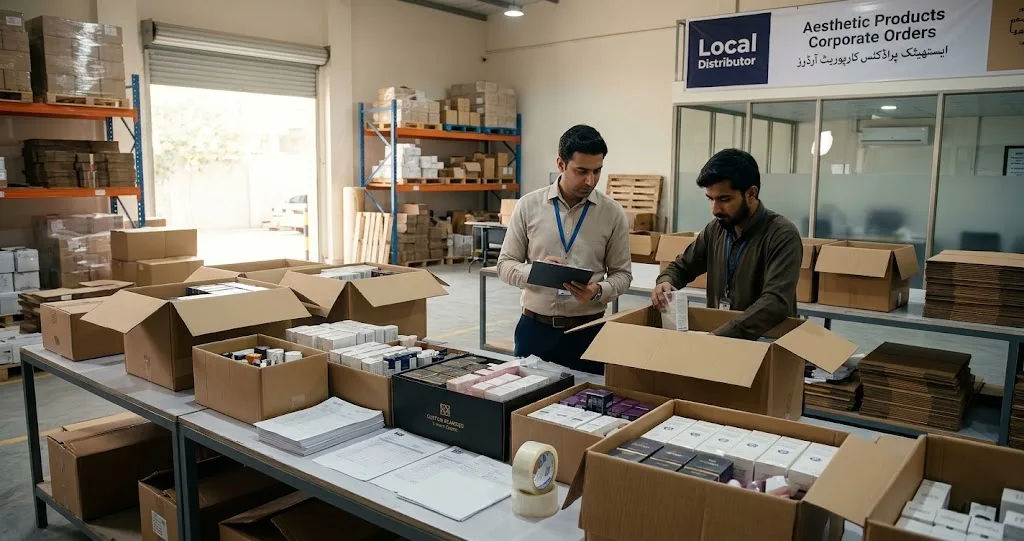
When purchasing skincare products in bulk or through business suppliers, authenticity becomes even more important. aesthetic products corporate orders pakistan is a relevant search phrase for businesses, clinics, salons, retailers, and other buyers looking for reliable sources of beauty and skincare products. Understanding how corporate orders work, what authentic products look like, and which verification steps to follow can help buyers make informed decisions.
Whether you are purchasing products for a skincare clinic, supplying a beauty salon, managing a retail business, or arranging products for an organization, checking authenticity should always be a priority. Genuine products are more likely to meet their intended quality standards when stored and handled correctly, while counterfeit or improperly stored products can create unnecessary risks.
This comprehensive guide explains how to assess product authenticity, identify warning signs, evaluate suppliers, and make safer purchasing decisions in Pakistan.
Aesthetic Products and Corporate Orders
Before determining whether a supplier offers authentic products, it is useful to understand what aesthetic products include and how corporate purchasing differs from ordinary retail shopping.
What Are Aesthetic Products?
Aesthetic products are items designed to support skincare, personal appearance, and beauty treatments. Depending on the supplier, the category may include everyday skincare products, professional cosmetic preparations, and specialized products used in aesthetic clinics.
Common examples include:
-
Facial cleansers and exfoliating products.
-
Moisturizers and hydrating creams.
-
Serums containing ingredients such as niacinamide or hyaluronic acid.
-
Sunscreens and other protective skincare products.
-
Face masks and cosmetic treatments.
-
Professional skincare products intended for trained practitioners.
-
Cosmetic accessories and related beauty supplies.
Not every product in this category has the same purpose or risk level. An ordinary moisturizer differs significantly from a professional chemical peel or an injectable aesthetic treatment.
Buyers should therefore consider the product's intended use, ingredients, regulatory status, and storage requirements before placing an order.
What Does Corporate Ordering Mean?
Corporate ordering generally refers to purchasing products in larger quantities for business or organizational use.
For example, a skincare clinic might purchase cleansers and moisturizers for its customers, while a beauty retailer might order several product lines for resale.
Corporate orders may involve negotiated prices, minimum quantities, invoices, delivery arrangements, and product documentation. Some suppliers also provide dedicated account management or customized quotations for business customers.
However, a corporate ordering process does not automatically guarantee authenticity. A supplier may offer professional invoices and bulk discounts without necessarily having a verified relationship with the product manufacturer.
Buyers must evaluate the supplier and the products independently.
Are Aesthetic Products Corporate Orders Pakistan Authentic?
The authenticity of products purchased through corporate orders in Pakistan depends on the supplier, the distribution channel, the product itself, and the documentation available.
aesthetic products corporate orders pakistan should therefore be approached as a purchasing category that requires careful verification rather than as a guarantee of genuine merchandise.
Products can be authentic when purchased from authorized distributors, reputable pharmacies, established wholesalers, or suppliers that can demonstrate a legitimate supply chain. However, counterfeit products, expired stock, improperly stored items, and products with unclear origins can also enter the market.
It would be inaccurate to assume that every bulk supplier sells genuine products. It would be equally inaccurate to assume that all corporate orders are unreliable.
The most practical approach is to verify each supplier and order before committing significant money.
Why Authenticity Cannot Be Judged by Price Alone
Corporate buyers often expect lower prices because they purchase larger quantities. A supplier may offer a reasonable discount based on order size, distribution costs, and business arrangements.
Nevertheless, a price that appears dramatically lower than the usual market rate deserves investigation.
Counterfeit products may be sold at attractive prices to encourage quick purchases. Expired stock may also be offered at a discount, sometimes without clearly explaining its condition.
Compare quotations from multiple suppliers and ask why substantial price differences exist. Request written information about product origin, expiry dates, and warranty or return arrangements where applicable.
A lower price is not proof of counterfeiting, but an unusually low price combined with missing documentation is a significant warning sign.
How to Identify Authentic Aesthetic Products
Authenticity checks should begin before the order is placed and continue when the products arrive.
No single visual feature can establish that a product is genuine. Counterfeiters can copy packaging, labels, and even batch codes. A stronger assessment combines several independent checks.
Examine the Packaging Carefully
Packaging is one of the easiest places to begin an inspection.
Look for clear printing, consistent branding, readable ingredient information, and appropriate labeling. Genuine products generally follow the packaging standards established by their manufacturers.
Potential warning signs include spelling mistakes, blurry logos, unusual fonts, poorly fitted caps, damaged seals, or labels that appear to have been replaced.
However, packaging can change when manufacturers update their designs. Different markets may also receive slightly different packaging.
For that reason, compare the product with information from the manufacturer's official website or an authorized distributor instead of relying entirely on photographs found on social media.
Check Batch Numbers and Expiry Dates
Batch numbers help manufacturers identify production batches and support product traceability.
Before accepting a bulk shipment, check whether the products display the required batch or lot information, manufacturing details where applicable, and expiry dates when provided.
Make sure the information is readable and has not been visibly altered.
If several units have identical batch information, that alone does not prove anything suspicious because products from the same production batch may share the same code.
For products that require additional verification, contact the manufacturer or authorized distributor using independently obtained contact information.
Do not assume that a batch code is genuine simply because a website or scanning application recognizes its format. Counterfeit products can display copied codes.
Review Ingredient Lists and Labels
Ingredient information is particularly important for skincare products.
Compare the ingredients on the packaging with the manufacturer's published product information. Pay attention to differences in the product name, concentration claims, instructions, and intended use.
For example, a serum advertised as containing a particular active ingredient should have labeling consistent with the manufacturer's actual formulation.
Some products may have different formulations for different countries, so minor differences should be clarified with the manufacturer rather than automatically treated as evidence of counterfeiting.
Products with missing ingredient information, unexplained relabeling, or inconsistent manufacturer details should not be accepted without further verification.
Evaluate the Product's Appearance and Condition
When the shipment arrives, inspect the containers and their contents where doing so is appropriate and safe.
Look for broken seals, leakage, damaged packaging, unexpected discoloration, separation, unusual texture, or other changes that are inconsistent with the product's normal condition.
A product that smells different from an established reference may require investigation, but smell alone cannot establish authenticity.
Do not open sterile products or professional treatments merely to inspect them. Maintain appropriate storage conditions and follow the manufacturer's handling instructions.
If a product appears compromised, isolate it from usable stock and contact the supplier before distributing or applying it.
How to Choose a Reliable Corporate Supplier in Pakistan
The supplier is one of the most important factors in determining whether a bulk order is trustworthy.
A reliable supplier should be willing to answer reasonable questions, provide appropriate business documentation, and explain how products are sourced.
Verify the Supplier's Business Identity
Begin by confirming the supplier's legal or business identity.
Ask for the registered business name, business address, contact information, and applicable registration or tax details. Where relevant, check the information against official records.
For suppliers claiming to be authorized distributors, request evidence of their authorization and verify it independently with the brand or manufacturer.
A professional website, attractive social media profile, or large follower count does not establish that a business is legitimate.
Similarly, a supplier operating through a small business or online store is not automatically unreliable. The important issue is whether the supplier can demonstrate a credible and traceable business operation.
Ask About the Supply Chain
A trustworthy supplier should be able to explain where the products come from.
Depending on the arrangement, this may involve an authorized distributor, importer, manufacturer, or established wholesale channel.
Ask whether the products are intended for the Pakistani market or imported for another market. Imported products are not necessarily counterfeit, but their labeling, regulatory status, storage, and distribution conditions should be checked.
If the supplier claims to have a direct relationship with a manufacturer, request supporting documentation.
Where possible, contact the manufacturer through its official website to confirm the distributor relationship.
Request an Invoice and Written Order Details
A proper invoice helps establish what was purchased and from whom.
For a corporate order, request documentation that identifies the supplier, product names, quantities, unit prices, total amount, and applicable taxes or charges.
The invoice should match the actual shipment.
It is also helpful to obtain written terms covering delivery, damaged goods, incorrect products, returns, and refunds.
Keep copies of quotations, invoices, payment confirmations, delivery receipts, and relevant correspondence. These records may help resolve disputes if the shipment contains questionable products.
An invoice does not independently prove authenticity, but it provides an important part of the purchasing record.
What Pakistani Buyers Should Know About Product Regulation
Authenticity is closely related to product safety, but the two are not identical.
A genuine product can still be unsuitable for a particular use, while a product with attractive packaging may not have a verifiable origin.
Buyers should understand which rules apply to the products they purchase.
Check the Applicable Regulatory Requirements
In Pakistan, regulatory requirements depend on the type of product, its ingredients, its intended use, and the claims made by the supplier.
Ordinary cosmetics, therapeutic products, medical devices, and certain professional aesthetic treatments may fall under different regulatory frameworks.
For relevant products, consult the appropriate Pakistani regulatory authority and verify whether registration, enlistment, import documentation, or other requirements apply.
The Drug Regulatory Authority of Pakistan may be relevant to products that fall within its jurisdiction. However, buyers should not assume that every cosmetic product follows the same approval process as a medicine.
When purchasing products for professional use, ask the supplier for the documentation applicable to that specific category.
A seller's statement that a product is approved should be checked against the relevant official requirements rather than accepted without evidence.
Be Careful With Medical-Grade and Injectable Products
Professional aesthetic products require additional caution.
Injectables, prescription products, sterile preparations, and treatments intended to penetrate the skin may involve risks that ordinary cosmetics do not.
These products should only be obtained through appropriate, verifiable channels and used in accordance with applicable regulations and professional requirements.
Corporate purchasing arrangements should not be used to bypass restrictions on professional products or medicines.
If a supplier cannot explain the product's origin, storage conditions, or lawful intended use, it is safer to postpone the purchase.
For treatments requiring professional administration, verify the qualifications of the practitioner and follow the manufacturer's instructions and applicable clinical standards.
Common Warning Signs of Counterfeit or Unreliable Products
Recognizing common warning signs can help buyers avoid costly mistakes.
Prices That Seem Unrealistically Low
A major discount may be legitimate, especially when buying discontinued products or negotiating a large order. However, extreme discounts without a credible explanation should prompt additional checks.
Compare the offer with multiple established sellers and request documentation supporting the product's origin.
Missing or Inconsistent Documentation
Be cautious when a supplier refuses to provide an invoice, cannot explain the source of the products, or supplies documents that do not match the shipment.
Differences in product names, quantities, batch details, or supplier information should be resolved before acceptance.
Pressure to Pay Immediately
High-pressure sales tactics can prevent buyers from conducting proper checks.
A supplier who demands immediate payment while discouraging questions about authenticity or returns deserves careful scrutiny.
For large orders, consider using payment methods that provide appropriate records and dispute procedures.
Avoid sending money to an unrelated personal account without understanding why that account is being used and who is legally responsible for fulfilling the order.
No Clear Return or Complaint Process
A supplier should explain what happens if products arrive damaged, expired, incorrect, or otherwise inconsistent with the agreed specifications.
An unclear return policy does not automatically prove that products are counterfeit, but it increases the buyer's risk.
Before making payment, establish how complaints will be handled and whether the supplier will cooperate with authenticity investigations.
How to Inspect a Corporate Shipment After Delivery
A clear receiving procedure can reduce the risk of accepting questionable stock.
For aesthetic products corporate orders pakistan, businesses should create a consistent inspection process instead of checking only the outer shipping boxes.
Step One: Match the Shipment With the Purchase Order
Compare the delivered products with the original quotation, purchase order, and invoice.
Confirm the product names, quantities, sizes, and variants. Record any missing units, substitutions, or discrepancies.
Do not assume that a product with a similar name is an acceptable replacement.
Step Two: Inspect Labels and Packaging
Check the outer packaging, seals, batch information, expiry dates where applicable, and manufacturer details.
Photograph damaged cartons or suspicious labeling before rearranging the shipment.
Keep the original packaging until the inspection is complete.
Step Three: Review Storage and Transport Conditions
Some skincare products are sensitive to heat, light, or temperature changes.
Check whether the shipment was transported and stored according to the manufacturer's instructions. If temperature-controlled delivery is required, ask for relevant records.
Products exposed to unsuitable conditions may lose quality even when they are genuine.
Step Four: Separate Questionable Products
Do not place products with unresolved authenticity or quality concerns into normal inventory.
Label them clearly and keep them separate while the supplier or manufacturer investigates.
Avoid selling or applying questionable products while waiting for clarification.
Step Five: Document the Outcome
Record the date of receipt, inspection results, batch details, expiry information, and any communication with the supplier.
This process is especially valuable for clinics and retailers that receive repeated shipments from multiple sources.
A documented procedure helps identify recurring supplier problems and supports better purchasing decisions over time.
Are Online Corporate Orders Safe?
Online ordering can be convenient for businesses in Pakistan, particularly when suppliers offer detailed catalogs, quotations, and delivery services.
However, the safety of an online purchase depends on the seller and the transaction, not simply on the platform used.
Research the Seller Before Ordering
Look for a consistent business identity, verifiable contact information, clear product descriptions, and realistic purchasing terms.
Independent customer reviews may provide useful context, but reviews should not be treated as definitive proof of authenticity.
Be cautious of accounts with repetitive testimonials, copied product photographs, or claims that cannot be verified independently.
Contact the supplier directly and ask specific questions about the source of the products and the documentation provided with bulk shipments.
Start With a Smaller Order
If you are considering a supplier for the first time, a small initial order can help you evaluate communication, delivery, packaging, and documentation.
A sample order is not a guarantee that future shipments will be genuine, but it can reveal problems before you commit a substantial budget.
For expensive or high-risk products, obtain stronger verification before purchasing, even in small quantities.
Once the supplier has established a reliable record, you can consider larger orders based on your business needs.
Protect Your Payment and Business Records
Use a payment method that creates a clear transaction record.
Ensure that the payment recipient matches the supplier or that any alternative arrangement is properly explained and documented.
Retain copies of the order confirmation, invoice, payment receipt, and delivery information.
These precautions can make it easier to address disputes and protect your business from avoidable financial losses.
Benefits of Buying Authentic Products for Businesses
Authenticity is not simply a matter of brand reputation. It can influence customer confidence, inventory management, and business continuity.
Better Confidence in Product Quality
Genuine products obtained through appropriate channels are more likely to match the manufacturer's intended formulation and quality specifications.
This matters when customers rely on a product to perform a particular skincare function.
However, genuine products can still cause irritation or allergic reactions. Businesses should provide accurate product information and avoid promising results that the manufacturer does not support.
Stronger Customer Trust
Customers expect skincare retailers, beauty salons, and aesthetic clinics to take product quality seriously.
A business that maintains supplier records, checks stock, and answers questions honestly can build stronger customer relationships.
Transparency is particularly important when customers ask about product origin, expiry dates, and suitability.
More Effective Inventory Management
Authenticity checks can be combined with routine stock management.
Recording batch numbers and expiry dates helps businesses identify products approaching the end of their shelf life and manage stock rotation.
A first-expiry, first-out approach can help ensure that products with earlier expiry dates are used or sold before later-expiring stock, provided all products remain suitable for distribution.
Good inventory practices also make it easier to investigate complaints involving particular batches.
Frequently Asked Questions
Can Corporate Orders Guarantee Authenticity?
No. A corporate order describes a purchasing arrangement, not a guarantee of product origin.
Authenticity depends on the supplier, supply chain, documentation, and product verification.
Buyers should check these factors before accepting a large shipment.
Are Imported Aesthetic Products Always Genuine?
No. Imported products may be genuine, but importation alone does not establish authenticity.
Buyers should verify the source, labeling, storage conditions, and applicable regulatory requirements.
Products imported for other markets may also have different packaging or labeling, which should be clarified with the manufacturer.
Can a Batch Number Prove That a Product Is Authentic?
A batch number can support traceability, but it cannot prove authenticity by itself.
Counterfeiters may copy legitimate batch codes. Where possible, confirm the information directly with the manufacturer or an authorized distributor.
What Should a Business Do If It Suspects Counterfeit Products?
Stop distributing or using the questionable products while the issue is investigated.
Preserve the packaging, invoices, batch information, photographs, and supplier correspondence. Contact the supplier and manufacturer for clarification.
If the issue involves potentially unsafe products or a suspected regulatory violation, consult the relevant Pakistani authority or an appropriate professional for guidance.
Should Buyers Choose the Cheapest Supplier?
Not necessarily.
Price should be considered alongside authenticity, documentation, storage conditions, delivery reliability, and after-sales support.
A slightly higher price from a verifiable supplier may offer better value than an unusually cheap shipment with uncertain origins.
Conclusion
Determining whether aesthetic products purchased through corporate orders in Pakistan are authentic requires careful research, supplier verification, and a consistent inspection process. Bulk purchasing can be a practical way for retailers, skincare clinics, salons, and other businesses to manage inventory, but it should never replace proper product checks.
The phrase aesthetic products corporate orders pakistan reflects an important concern for businesses seeking reliable beauty and skincare supplies. The key is to understand that authenticity depends on the actual products and their supply chain rather than the size of the order or the supplier's marketing claims.
Before purchasing, verify the supplier's business identity, ask for appropriate invoices and sourcing documents, compare product labels with official manufacturer information, and confirm batch and expiry details where applicable. For products subject to specific regulatory requirements, check the relevant official guidance rather than relying solely on the seller's assurances.
After delivery, inspect the shipment carefully, review its storage conditions, and separate any questionable products until the issue is resolved. Keep detailed purchasing records and establish clear procedures for returns, complaints, and authenticity concerns.
Businesses should also recognize that genuine products are not automatically suitable for every customer or treatment. Product selection, proper storage, accurate labeling, and responsible use remain essential.
Ultimately, the safest purchasing decision is one supported by verifiable information. By choosing transparent suppliers and making authenticity checks a routine part of corporate purchasing, Pakistani businesses can reduce risk, protect their customers, and build a stronger foundation for long-term success.