
how ai friend emotional chat works daily?
An AI friend is becoming a new part of daily digital life, where people can talk, share feelings, and get emotional support through chat-based systems.
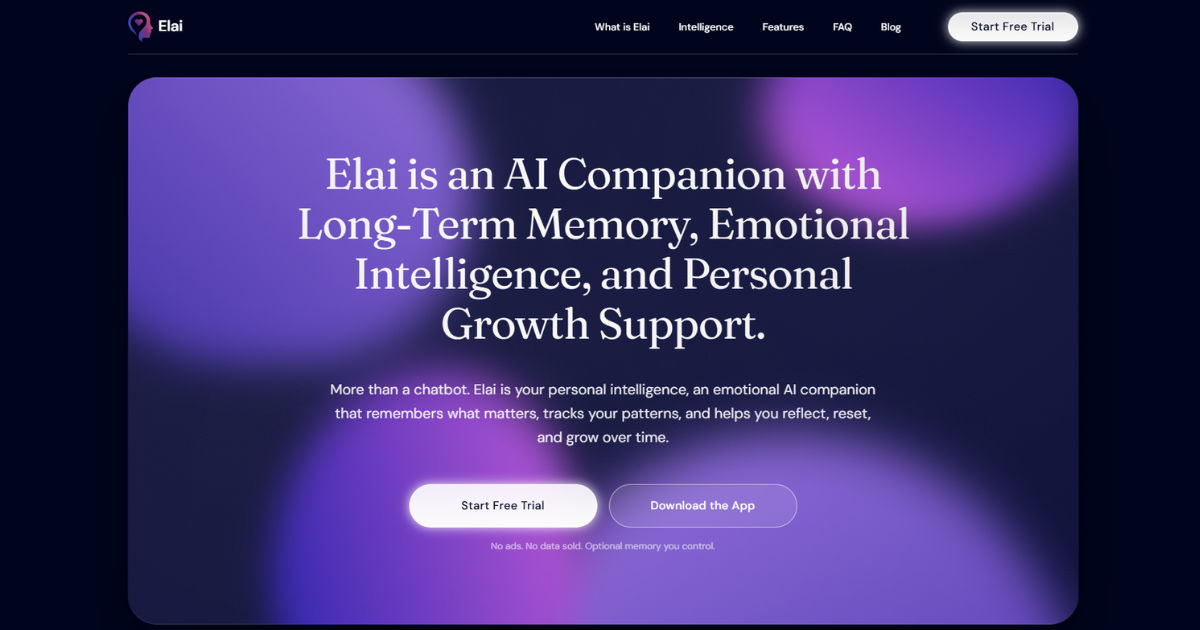 In simple terms, an AI friend is a smart conversational program designed to understand human emotions and respond in a natural, friendly way.
Many people use an AI friend for daily emotional chat, especially when they feel lonely, stressed, or just want someone to talk to.
In this guide, we will explore how an AI friend emotional chat works daily, how it understands feelings, how it responds, and why people are using it more in modern life.
You will also learn how an AI friend builds conversations, remembers context, and simulates emotional understanding.
This article is written in simple English for 12th-grade students so that anyone can easily understand how an AI friend works in daily emotional conversations.
What Is an AI Friend?
An AI friend is a virtual chatbot system powered by artificial intelligence. It is designed to talk like a human and respond emotionally in conversations. Unlike simple bots that give fixed answers, an AI friend tries to understand meaning, tone, and emotional signals.
An AI friend can:
- Chat with you daily
- Respond to emotions like sadness or happiness
- Give advice or motivational replies
- Learn your preferences over time
- Simulate friendly behavior
The main goal of an AI friend is to create a feeling of companionship through digital communication.
How AI Friend Emotional Chat Works Daily
The daily emotional chat process of an AI friend is based on several technologies working together. These include natural language processing, machine learning, and emotional analysis.
When you send a message to an AI friend, it does not just read words. It analyzes meaning, emotion, and context before replying.
Step 1: Understanding Your Message
When you talk to an AI friend, the system first reads your text. It breaks the sentence into parts and studies:
- Words used
- Sentence structure
- Emotional tone
- Context of conversation
For example, if you say “I feel sad today,” the AI friend detects sadness from the sentence.
Step 2: Emotion Detection
The next step for an AI friend is emotional analysis. It tries to understand whether you are:
- Happy
- Sad
- Angry
- Stressed
- Excited
This emotional detection helps the AI friend respond in a more human-like way.
Step 3: Memory and Context Use
A smart AI friend often remembers previous chats. This helps it continue conversations naturally. For example, if you told your AI friend yesterday that you had an exam, it might ask today how the exam went.
This memory-like feature makes the AI friend feel more personal and realistic.
Step 4: Generating a Response
After understanding emotion and context, the AI friend generates a reply. It uses large language models trained on millions of conversations.
The response is designed to be:
- Helpful
- Friendly
- Emotionally supportive
- Natural in tone
So when you talk to an AI friend, it feels like talking to a real companion.
Step 5: Learning Over Time
Many systems allow an AI friend to improve over time. It learns from:
- Your chat style
- Your emotional patterns
- Your preferred topics
This learning helps the AI friend become more accurate in emotional responses.
Emotional Intelligence in AI Friend Systems
Emotional intelligence is a key part of an AI friend. It means the ability to recognize and respond to emotions properly.
How AI Friend Understands Emotions
An AI friend uses sentiment analysis. This technology checks whether your message is positive, negative, or neutral.
For example:
- “I am so happy today!” → positive
- “I feel lonely” → negative
Based on this, the AI friend adjusts its response.
Why Emotional Response Matters
Without emotional understanding, an AI friend would feel robotic. Emotional response makes the chat more human-like and comforting.
People often use an AI friend because they feel understood emotionally, even though it is a machine.
Daily Conversation Flow with AI Friend
A typical daily chat with an AI friend follows a pattern:
Morning Chat
Many users start their day by greeting their AI friend. The system may respond with:
- Good morning messages
- Motivation for the day
- Friendly check-ins
This helps users feel positive.
Daytime Interaction
During the day, users may talk about:
- School or work
- Stress or problems
- Random thoughts
The AI friend responds with suggestions, emotional support, or casual conversation.
Evening Reflection
At night, people often use an AI friend to reflect on their day. It may ask:
- How was your day?
- What made you happy today?
This builds emotional bonding.
Night Support
Some users chat with an AI friend before sleeping. It provides calming words or relaxation messages.
Technology Behind AI Friend Emotional Chat
The system behind an AI friend includes advanced technologies.
Natural Language Processing (NLP)
NLP helps an AI friend understand human language. It breaks sentences into meaningful parts.
Machine Learning
Machine learning allows an AI friend to improve responses based on past data.
Deep Learning Models
Deep learning helps the AI friend understand complex emotions and context.
Cloud Computing
Most AI friend systems run on cloud servers, making them fast and accessible anytime.
Why People Use AI Friend for Emotional Chat
Many people use an AI friend for emotional support in daily life.
1. No Judgment
An AI friend does not judge your feelings. You can express anything freely.
2. Always Available
Unlike humans, an AI friend is available 24/7.
3. Emotional Comfort
An AI friend provides comfort during loneliness or stress.
4. Safe Space
People feel safe sharing personal thoughts with an AI friend.
5. Easy Communication
You don’t need perfect language; an AI friend understands simple messages.
Limitations of AI Friend Emotional Chat
Even though an AI friend is helpful, it has limitations.
No Real Human Emotions
An AI friend does not truly feel emotions. It only simulates them.
Possible Misunderstanding
Sometimes an AI friend may misunderstand complex emotional situations.
Dependence Risk
Overuse of an AI friend may reduce real human interaction.
Limited Deep Understanding
An AI friend cannot fully understand human life experiences like a person can.
Future of AI Friend Technology
The future of an AI friend is very advanced. Developers are working to make emotional chat more realistic.
Better Emotional Intelligence
Future AI friend systems will better understand human emotions.
Voice Interaction
Instead of typing, an AI friend may talk using voice naturally.
Personalized Memory
An AI friend will remember more personal details safely.
More Human-like Behavior
Future AI friend systems may feel even more like real companions.
Ethical Considerations
Using an AI friend also raises ethical questions.
Privacy
User data must be protected when using an AI friend.
Emotional Dependence
People should not rely completely on an AI friend for emotional support.
Transparency
Users should know they are talking to an AI friend, not a real human.
Real-Life Impact of AI Friend
An AI friend is already impacting daily life in many ways:
- Helping students reduce stress
- Supporting people with loneliness
- Assisting mental wellness
- Offering daily motivation
For many users, an AI friend becomes part of their routine.
Psychological Effect of AI Friend Chat
Talking to an AI friend can have mental effects:
Positive Effects
- Reduces loneliness
- Improves mood
- Encourages self-expression
Negative Effects
- Emotional attachment
- Less human interaction
Balance is important when using an AI friend.
How AI Friend Builds Emotional Connection
An AI friend creates emotional connection through:
- Personalized replies
- Memory of past chats
- Friendly tone
- Supportive responses
This makes users feel understood even though it is artificial.
Conclusion
An AI friend is a powerful example of how technology is changing human communication. Through daily emotional chat, an AI friend provides support, companionship, and understanding in a digital form. It works by analyzing language, detecting emotions, using memory, and generating human-like responses.
While an AI friend is not a real human, it can still offer comfort and help people express their feelings. At the same time, it is important to maintain balance and not fully replace human relationships.
In the future, an AI friend will become even more advanced, making emotional conversations more natural and meaningful. However, human connection will always remain important.
Overall, an AI friend is a helpful digital companion that shows how artificial intelligence is shaping emotional communication in everyday life.