
How is ACP signage board installed?
Installing an ACP signage board is one of the most reliable ways to create durable, weather-resistant, and visually appealing commercial displays. In the signage industry, companies like Akbari Engineering have helped popularize Aluminum Composite Panel (ACP) signage due to its strength and design flexibility.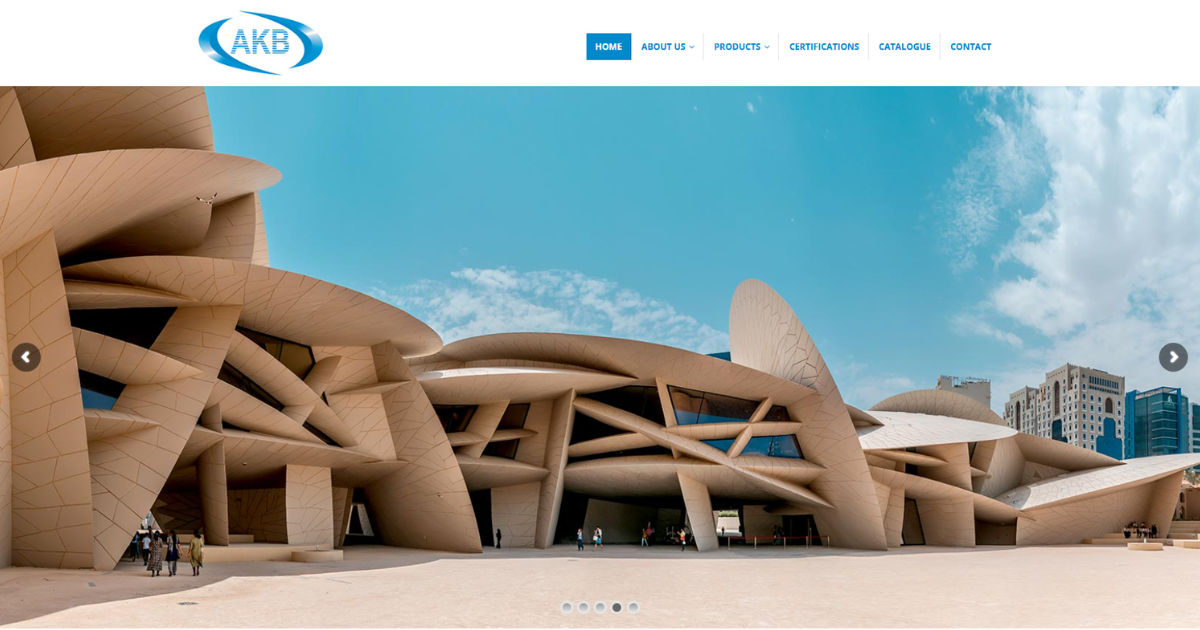
Whether for storefront branding, directional displays, or advertising panels, ACP boards are now among the most preferred materials in small businesses, large corporations, and public infrastructure projects.
This comprehensive guide explains how an ACP signage board is installed, covering every stage from planning to mounting. The content includes insights relevant to Akbari Engineering while remaining easy to understand and detailed enough for professionals and students who want precise information.
If you have ever wondered what makes ACP signs reliable or how experts manage the installation from scratch to finish, this guide walks you through the entire process step by step.
What Is an ACP Signage Board?
An ACP signage board is made from aluminum composite panels—thin aluminum sheets bonded to a polyethylene core. The combination creates a material that is light, strong, and resistant to weather, making it ideal for both indoor and outdoor signage.
ACP boards are favored because they:
-
Offer excellent surface smoothness for printing and vinyl application.
-
Provide high durability against heat, sunlight, and rain.
-
Are easy to fabricate, cut, bend, and fold.
-
Support several installation options depending on site conditions.
-
Come in various colors, textures, and finishes.
ACP signage is widely used for:
-
Storefront fascias
-
Directional signs
-
3D illuminated signs
-
Corporate branding
-
Outdoor advertising panels
Understanding these basics sets the stage for exploring the installation process in depth.
Planning the ACP Signage Installation
Installing an ACP signage board begins long before any panel is cut or mounted. Proper planning ensures safety, durability, and visual accuracy.
Site Survey
The first step is a complete assessment of the installation site. During a site survey, installers examine:
-
Wall condition and structural integrity
-
Exposure to weather
-
Availability of supporting frames
-
Electrical points (if lighting is involved)
-
Accessibility for workers and tools
Measurements are taken precisely to avoid errors later. Most installation issues arise from incorrect measurements, so professionals often double-check all dimensions.
Understanding Client Requirements
The purpose of the signage affects the design and installation approach. Clients decide on:
-
Sign size
-
Color and finish
-
Type of lighting (LED backlit, front-lit, or non-lit)
-
Typeface and thickness
-
Placement height
-
Brand guidelines
At this stage, concept drawings or mockups are prepared to visualize the final result.
Material Selection
Different ACP grades exist depending on budget, finish, and durability needs. Common finishes include:
-
Glossy
-
Matte
-
Brush finish
-
Mirror finish
-
Wooden texture
Choosing the right thickness and grade ensures long-term durability.
Safety Planning
Safety is crucial when installing signage at height or on busy commercial streets. Planning includes:
-
Safety gear (helmets, belts, gloves)
-
Scaffolding or ladders
-
Crowd control barriers
-
Secure handling of cutting tools and electrical equipment
Once planning is complete, the actual fabrication begins.
Fabrication of ACP Panels for Signage
Fabrication involves cutting, bending, shaping, and preparing ACP sheets according to design requirements before the installation crew arrives on-site.
Cutting the ACP Sheets
ACP boards are cut using tools such as:
-
CNC routers
-
Hand saws
-
Panel cutters
CNC machines provide precise edges, ideal for professional signage. Smooth edges are essential to maintain a clean appearance.
Grooving and Bending
If the design includes bends or folds, installers use grooving tools to remove part of the core material so the sheet can fold cleanly. Proper grooving allows the ACP panel to maintain shape without cracking.
Making the Supporting Frame
ACP signs require a frame for stability, especially for outdoor installations. Frames are typically made from:
-
MS square pipe
-
Aluminum sections
-
GI sections
Frames are cut, welded, and painted to resist corrosion.
Preparing Letters and Graphics
Depending on the design, letters can be:
-
Acrylic
-
Stainless steel
-
LED-lit 3D letters
-
Vinyl-cut stickers
-
Printed decals
These elements are prepared separately and later fixed onto the ACP surface.
LED and Electrical Preparation
For illuminated signs:
-
LED modules are arranged evenly.
-
Power supplies (drivers) are calculated for load.
-
Wiring is organized neatly to avoid future issues.
When all materials are ready, the installation team moves to the site.
Tools Required for ACP Sign Board Installation
Professionals use a wide range of tools to complete the installation safely and accurately:
-
Measuring tape
-
Level and laser markers
-
Drilling machine
-
Screws and anchors
-
Rivet gun
-
Screwdriver set
-
Silicone sealant
-
Angle grinder
-
Clamps
-
Safety belts and helmets
-
Ladder or scaffolding
Having the right tools ensures efficiency and safety during installation.
The Installation Process: Step-by-Step
Below is a detailed breakdown of how an ACP signage board is installed from start to finish.
Step 1: Marking and Measuring the Installation Area
Once on-site, the installation begins with accurate marking. Installers:
-
Visualize the layout using measuring tapes and laser levels.
-
Mark the exact frame position.
-
Ensure the sign is centered and level.
Correct marking ensures the ACP panels align perfectly.
Step 2: Installing the Supporting Frame
The frame is the backbone of the signage. To install it:
-
Holes are drilled into the wall based on the earlier markings.
-
Anchors and screws are inserted for rigid support.
-
The metal frame is aligned and fixed securely.
-
Anti-corrosion paint is applied if necessary.
A strong, level frame guarantees long-term stability.
Step 3: Fixing the ACP Panels
After the frame is ready, ACP panels are installed using one of the following methods:
Using Rivets
Rivets are commonly used because they provide strong bonding. Installers drill holes through the ACP and frame, then fix the panels using rivets.
Using Screws
Self-tapping screws are used when panels need to be removed later for maintenance. Screw heads can be covered with caps or color-matched stickers.
Using Cladding Tape
High-quality double-sided tapes are used for indoor or temporary signs. These tapes offer clean installation without drilling.
Using Silicone Sealant
Silicone sealant is used along panel edges to prevent water leakage and improve visual finishing.
Installers ensure the panels are aligned, gaps are minimal, and the surface remains smooth.
Step 4: Joining and Finishing the Edges
ACP boards may require joint finishing to enhance the appearance. Installers use:
-
Corner caps
-
Silicone sealant
-
Aluminum profiles
Edge finishing prevents dust, moisture, and insects from entering the inner frame.
Step 5: Installing Letters, Graphics, and Branding Elements
Once the panels are in place, branding elements are applied:
Fixing 3D or Acrylic Letters
Letters are installed using:
-
Studs
-
Adhesives
-
Screws
-
Spacers for a floating effect
Installers ensure letters are level and uniformly spaced.
Applying Vinyl Graphics
For vinyl designs:
-
The ACP surface is cleaned.
-
Vinyl sheets are positioned.
-
Air bubbles are removed with a squeegee.
Mounting LED Lighting
If the signage is illuminated:
-
LEDs are fixed behind letters or inside box frames.
-
Wiring is connected to power supplies.
-
Light diffusion is checked to avoid bright spots.
Proper branding installation brings the signage to life.
Step 6: Electrical Testing (for LED Signs)
Every illuminated sign must undergo testing:
-
LED brightness check
-
Power load test
-
Waterproofing of electrical joints
-
Timers or automatic switches (if required)
Safety checks are crucial to prevent electrical faults.
Step 7: Final Inspection and Cleanup
The installation concludes with a detailed inspection:
-
Alignment check
-
Structural stability check
-
Electrical safety check
-
Finishing inspection
Once approved, the site is cleaned, and the signage is handed over to the client.
Tips for a Long-Lasting ACP Sign Board
To ensure durability and long life:
-
Use high-quality ACP sheets.
-
Choose corrosion-resistant frames.
-
Seal joints properly.
-
Protect electrical components from water.
-
Schedule periodic cleaning.
-
Inspect for loose screws or damaged LEDs annually.
Well-maintained ACP signage can last over a decade.
Common Mistakes to Avoid During Installation
Many errors occur due to inexperience. Avoid these mistakes:
-
Poor quality ACP materials
-
Weak or unlevel frames
-
Incorrect measurements
-
Overloading LED power supplies
-
Poor edge sealing
-
Using incompatible adhesives
-
Neglecting weather protection
Avoiding these ensures a professional and durable outcome.
Why ACP Signage Is a Preferred Choice
ACP signage continues to dominate the market because of its adaptability. Key advantages include:
-
Lightweight but strong
-
Cost-effective
-
Weather-resistant
-
Easy to install
-
Available in variety of finishes
-
Long lifespan
-
Compatible with LED lighting
Its modern, clean appearance makes it ideal for both small shops and premium brands.
Conclusion
Installing an ACP signage board is a systematic process that blends technical skill, precision, and aesthetic understanding. From the initial site survey to the final finishing touches, every step must be executed carefully to achieve a durable, professional, and visually appealing result. The use of accurate measurements, strong supporting frames, high-quality ACP panels, and reliable installation tools ensures the signage stands strong for years.
Planning is the foundation of successful installation. Understanding client needs, choosing the right materials, and designing the correct frame layout create the basis for a smooth workflow. Once on-site, the precision with which the frame is mounted and the ACP panels are fixed makes a significant difference in appearance and stability.
Finishing, branding elements, and lighting bring the sign to life. Whether acrylic letters, vinyl graphics, or LED illumination, the final layer adds character and communicates the brand message effectively. Proper electrical testing and detailed inspection safeguard the installation from potential issues.
In the signage industry, ACP signage remains a top choice because of its affordability, versatility, and durability. Businesses across industries prefer ACP boards for storefronts and billboards because they can withstand harsh climates while maintaining a premium look. With correct installation and maintenance, an ACP signage board can last more than a decade while retaining its beauty and structural integrity.
This guide reflects industry-standard steps followed by professionals, including reputable organizations such as Akbari Engineering, who contribute to the growing demand for modern, robust signage solutions. Whether you are a student, a business owner, or someone curious about signage installation, understanding these steps equips you with valuable knowledge about how ACP signs are created and installed in the real world.