
What airflow capacity is best for family kitchens?
Choosing the right airflow capacity for a family kitchen is one of the most important decisions when installing a ventilation system.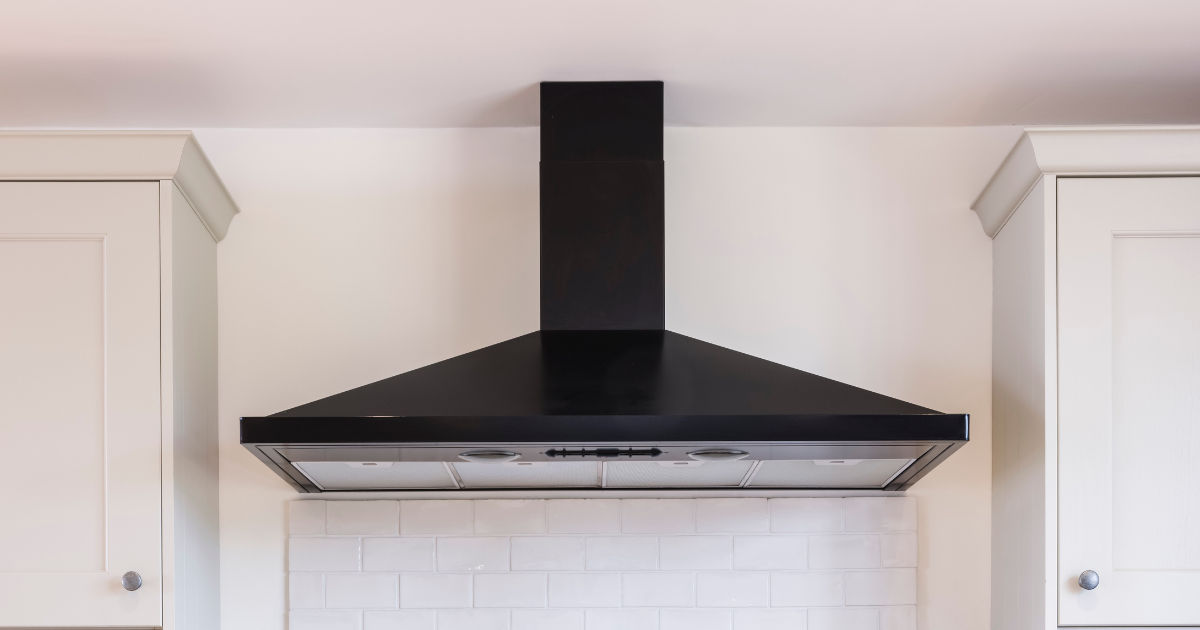
In many homes today, especially in Pakistan where cooking often involves frying, spices, and high heat, proper air circulation is not just about comfort—it is about health and cleanliness.
Modern appliances such as a kitchen hood with voice control Pakistan have made it easier for families to manage kitchen ventilation efficiently, but understanding airflow capacity is still essential before making a purchase.
Airflow capacity determines how effectively smoke, grease, steam, and odors are removed from your kitchen. If the capacity is too low, the kitchen becomes smoky and uncomfortable. If it is too high, energy is wasted and noise levels increase unnecessarily.
In this guide, we will break down everything you need to know about airflow capacity, how it is measured, what family kitchens typically require, and how to choose the perfect balance for your home.
Understanding Airflow Capacity in Kitchen Ventilation
Airflow capacity refers to the amount of air a kitchen hood can move within a specific time. It is usually measured in:
- CFM (Cubic Feet per Minute)
- m³/h (Cubic meters per hour)
CFM is the most commonly used measurement in residential kitchen appliances.
A higher CFM means more powerful suction, which helps remove smoke and grease faster. However, more power is not always better—it must match the kitchen size and cooking habits.
Why Airflow Capacity Matters in Family Kitchens
Family kitchens are different from commercial kitchens. They are used multiple times a day for various cooking styles, including:
- Frying food in oil
- Cooking spicy dishes
- Boiling and steaming
- Grilling or roasting occasionally
In countries like Pakistan, especially in urban homes in Karachi, Lahore, and Islamabad, kitchens often face heavy smoke and strong food odors.
A properly selected airflow system ensures:
- Cleaner indoor air
- Less grease buildup on walls
- Reduced humidity
- Better hygiene
- Improved comfort while cooking
This is why even modern systems like a kitchen hood with voice control Pakistan must still be chosen based on correct airflow capacity, not just features.
How Airflow Capacity Is Measured
Airflow is measured in how much air the hood can extract per minute.
Basic Formula Concept
While you don’t need advanced math, the basic idea is:
Higher CFM = stronger suction = faster air cleaning
But efficiency depends on kitchen volume.
To calculate kitchen requirements:
- Measure kitchen length × width × height
- Multiply to get volume
- Air should be replaced 10–15 times per hour in a family kitchen
This ensures proper ventilation.
Ideal Airflow Capacity for Family Kitchens
Now let’s get to the most important part.
For most family kitchens, airflow capacity depends on size:
Small Kitchens (Up to 70 sq. ft)
- Recommended airflow: 300–400 CFM
- Suitable for light cooking
- Minimal frying or grilling
Medium Kitchens (70–150 sq. ft)
- Recommended airflow: 400–700 CFM
- Standard family cooking
- Frequent frying and spice-heavy dishes
Large Kitchens (150+ sq. ft)
- Recommended airflow: 700–1000+ CFM
- Heavy cooking usage
- Open kitchens or connected dining areas
In Pakistani homes, most family kitchens fall in the medium category, making 500–700 CFM the most balanced choice.
Cooking Style and Its Impact on Airflow Needs
Kitchen size is not the only factor. Cooking habits matter just as much.
Light Cooking
If your family mostly prepares:
- Boiled food
- Simple curries
- Tea and light meals
Then lower airflow is sufficient.
Moderate Cooking
Most households in Pakistan fall here:
- Daily frying
- Regular use of spices
- Cooking lunch and dinner fresh
Medium airflow is best.
Heavy Cooking
If your kitchen involves:
- Deep frying often
- BBQ or grilling indoors
- Large family meals
Then higher airflow is required.
Even advanced systems like a kitchen hood with voice control Pakistan must match this requirement to perform effectively.
Kitchen Design and Airflow Efficiency
Kitchen layout affects airflow performance more than people realize.
Open Kitchens
Open kitchens connected to dining or living areas require:
- Higher CFM
- Stronger suction
- Better ducting system
Because smoke spreads quickly into other rooms.
Closed Kitchens
Closed kitchens retain smoke, so:
- Moderate CFM works well
- Ventilation is easier to control
Ceiling Height
Higher ceilings require stronger airflow because:
- Smoke rises higher
- Air takes longer to circulate
Ducted vs Ductless Systems
Airflow efficiency also depends on the type of ventilation system.
Ducted Systems
- Air is pushed outside
- More efficient
- Recommended for family kitchens
Ductless Systems
- Air is filtered and recirculated
- Easier to install
- Slightly less effective for heavy cooking
For Pakistani households, ducted systems are generally preferred due to strong cooking odors.
Common Mistakes When Choosing Airflow Capacity
Many homeowners make mistakes that reduce kitchen efficiency.
Choosing Too Low Capacity
- Kitchen remains smoky
- Grease buildup increases
- Odors linger longer
Choosing Too High Capacity
- Excess noise
- Higher electricity consumption
- Unnecessary cost
Ignoring Kitchen Size
Many people buy based on design instead of performance.
Overlooking Installation Height
Incorrect height reduces suction efficiency.
Noise Levels vs Airflow Power
Higher airflow often means more noise. However, modern designs balance both.
When selecting a system, consider:
- Noise rating (dB level)
- Fan quality
- Motor type
Smart appliances like a kitchen hood with voice control Pakistan often include better motor control systems to reduce noise while maintaining performance.
Energy Efficiency Considerations
Airflow capacity directly affects electricity usage.
Efficient systems:
- Use variable speed control
- Adjust suction based on cooking intensity
- Save energy during light cooking
This is especially important in family kitchens where appliances run daily.
Maintenance and Airflow Performance
Even the best airflow system will lose efficiency without maintenance.
Regular Cleaning
- Clean filters every 2–4 weeks
- Remove grease buildup
Duct Inspection
- Ensure no blockage
- Check airflow paths
Motor Care
- Service annually if needed
- Avoid overheating
Poor maintenance reduces airflow by up to 40%.
How to Choose the Best Airflow Capacity for Your Home
Here is a simple decision guide:
- Measure your kitchen size
- Identify cooking style
- Decide between ducted or ductless
- Choose CFM based on category
- Consider noise tolerance
- Factor in energy efficiency
This step-by-step approach ensures the best performance for family kitchens.
The Role of Modern Smart Kitchen Hoods
Technology has improved ventilation systems significantly.
Smart features include:
- Voice control
- Auto-sensing smoke detection
- Speed adjustment
- Timer-based operation
Many homeowners now prefer a kitchen hood with voice control Pakistan because it combines convenience with efficiency.
However, even smart features cannot replace proper airflow selection. The foundation must still be correct CFM capacity.
Real-Life Example: Pakistani Family Kitchen Setup
Consider a typical family kitchen in Karachi:
- Medium-sized closed kitchen
- Daily cooking of spicy curries
- Occasional frying
Best recommendation:
- 500–700 CFM airflow capacity
- Ducted ventilation system
- Medium noise level motor
This setup ensures balance between comfort and performance.
Future Trends in Kitchen Ventilation
Kitchen ventilation is evolving rapidly.
Future systems may include:
- AI-based airflow control
- Automatic odor detection
- Energy optimization systems
- Fully voice-controlled operation
As technology advances, products like a kitchen hood with voice control Pakistan will become standard in modern homes.
Conclusion
Selecting the right airflow capacity for a family kitchen is essential for maintaining a clean, healthy, and comfortable cooking environment. It is not just about buying the most powerful system—it is about finding the right balance between kitchen size, cooking habits, noise levels, and energy efficiency.
For most family kitchens, especially in Pakistan, a medium airflow range of 500–700 CFM is ideal. It provides strong suction without excessive noise or energy waste. Smaller kitchens require less, while larger or open kitchens may need more powerful systems.
Modern innovations such as smart ventilation systems and voice-controlled appliances have made kitchen management easier than ever. Still, the foundation of good performance remains proper airflow selection.
By understanding your kitchen needs and avoiding common mistakes, you can ensure long-term comfort, cleaner air, and a more enjoyable cooking experience for your entire family.