
What Helps Treat Your ADHD and Depression?
Many people live with both attention-deficit/hyperactivity disorder and depression at the same time. This combination can feel overwhelming, confusing, and exhausting.
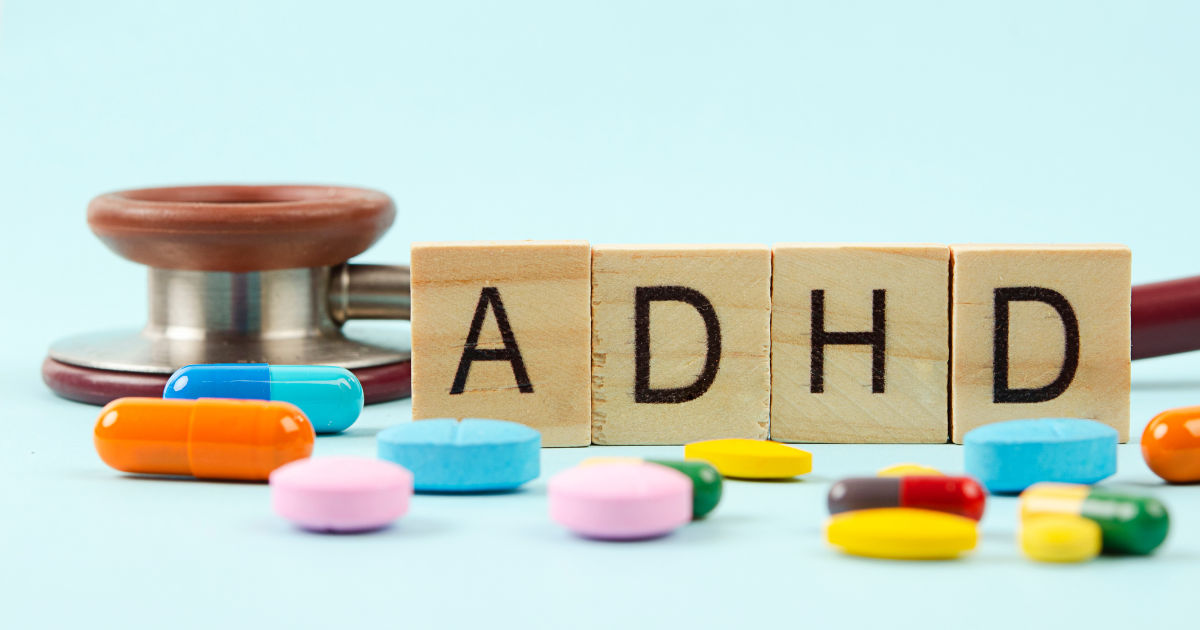
To Treat Your ADHD and Depression effectively, it helps to understand how these conditions connect and influence each other.
ADHD affects focus, organization, and impulse control, while depression impacts mood, motivation, and energy. When they occur together, symptoms can overlap and intensify.
People with ADHD may struggle with daily tasks, deadlines, or relationships. Over time, these challenges can lead to frustration and low self-esteem.
This emotional strain can increase the risk of depression. Learning how to Treat Your ADHD and Depression means recognizing that neither condition exists in isolation.
Both affect the brain and behavior in ways that deserve equal attention.
Understanding this link is the first step toward better management. When you Treat Your ADHD and Depression ( https://onlinemedspharmacy.com/buy-adderall-online/ ) together, you create a stronger foundation for long-term mental wellness and daily functioning.
Common Symptoms When ADHD and Depression Coexist
When ADHD and depression occur together, symptoms can be more complex. Difficulty concentrating may come from ADHD, depression, or both. Low motivation may feel like laziness, but it is often a sign that you need better ways to Treat Your ADHD and Depression.
People may feel restless yet tired, hopeful yet discouraged. Mood swings, forgetfulness, sleep problems, and emotional sensitivity are common. These overlapping symptoms can make diagnosis harder, but they also highlight why it is important to Treat Your ADHD and Depression as a connected experience.
Understanding symptoms helps people feel less alone. It also encourages seeking support and choosing strategies that Treat Your ADHD and Depression at the same time instead of addressing only one condition.
Why Early Treatment Matters
Early support can change the course of a person’s life. When symptoms are ignored, struggles may grow over time. Learning early ways to Treat Your ADHD and Depression can prevent long-term stress, academic problems, and relationship difficulties.
Teenagers and young adults especially benefit from early help. School demands, social pressure, and life transitions can increase stress. Knowing how to Treat Your ADHD and Depression early builds confidence and coping skills that last into adulthood.
Early treatment also reduces the chance that symptoms will worsen. It gives people tools to manage emotions, plan tasks, and stay motivated. Choosing to Treat Your ADHD and Depression sooner rather than later is an act of self-care and strength.
Professional Diagnosis and Support
A proper diagnosis is essential to Treat Your ADHD and Depression effectively. Mental health professionals use interviews, questionnaires, and history reviews to understand symptoms. This process helps ensure that treatment plans match individual needs.
Seeing a trained professional helps clarify what is happening in the brain and emotions. With accurate information, it becomes easier to Treat Your ADHD and Depression in a targeted and supportive way. Diagnosis is not a label but a guide toward better choices.
Professional support also provides accountability and encouragement. Therapists, psychologists, and doctors work together to help people Treat Your ADHD and Depression with care and respect.
Medication as a Treatment Option
Medication can be an important part of a treatment plan for some people. Certain medications help improve focus and reduce impulsivity, while others support mood balance. When prescribed carefully, medication can Treat Your ADHD and Depression safely and effectively.
It is important to understand that medication affects everyone differently. Finding the right type and dose may take time. Working closely with a healthcare provider helps ensure that medications Treat Your ADHD and Depression without causing unwanted side effects.
Medication is not a cure, but it can create mental space. This space allows people to learn skills, build routines, and engage more fully in therapy to Treat Your ADHD and Depression over the long term.
Therapy and Counseling Approaches
Therapy plays a major role in helping people Treat Your ADHD and Depression. Cognitive behavioral therapy, often called CBT, helps identify negative thought patterns and replace them with healthier ones. This approach supports both focus and emotional balance.
Therapy also teaches practical skills. Time management, emotional regulation, and problem-solving are common topics. These tools help people Treat Your ADHD and Depression by improving daily functioning and self-awareness.
Talking with a therapist provides a safe space to explore feelings. It reminds people that they are not broken. Instead, they are learning new ways to Treat Your ADHD and Depression with compassion and understanding.
Building Healthy Daily Routines
Daily routines create structure, which is helpful for ADHD and depression. Simple habits like waking up at the same time, eating regular meals, and planning tasks can Treat Your ADHD and Depression in powerful ways.
Routines reduce decision fatigue. When fewer choices are needed, the brain has more energy to focus and stay calm. This makes it easier to Treat Your ADHD and Depression throughout the day.
Healthy routines also build confidence. Each completed task, no matter how small, reinforces the belief that improvement is possible. Over time, routines become a natural way to Treat Your ADHD and Depression.
The Role of Physical Activity
Exercise supports both mental and physical health. Regular movement increases brain chemicals that improve mood and focus. This makes exercise a natural way to Treat Your ADHD and Depression.
Activities do not need to be intense. Walking, dancing, stretching, or playing a sport can all help. The key is consistency. Even short sessions can Treat Your ADHD and Depression by reducing stress and increasing energy.
Exercise also improves sleep, which is often disrupted by ADHD and depression. Better sleep further supports efforts to Treat Your ADHD and Depression and feel more balanced.
Nutrition and Brain Health
What you eat affects how you feel. Balanced meals support brain function and energy levels. Eating regularly helps stabilize mood and concentration, making nutrition an important way to Treat Your ADHD and Depression.
Foods rich in protein, healthy fats, and complex carbohydrates provide steady energy. Staying hydrated also matters. Small nutritional changes can Treat Your ADHD and Depression by reducing crashes in mood and focus.
Mindful eating encourages awareness of how food affects emotions. Over time, healthy choices become another tool to Treat Your ADHD and Depression naturally.
Sleep and Restorative Habits
Sleep problems are common with ADHD and depression. Lack of rest worsens symptoms and makes daily tasks harder. Improving sleep habits can Treat Your ADHD and Depression significantly.
Creating a calming bedtime routine helps signal the brain to relax. Limiting screen time, keeping a consistent schedule, and creating a comfortable sleep environment all help Treat Your ADHD and Depression.
Quality sleep improves memory, mood, and focus. When rest improves, other strategies to Treat Your ADHD and Depression become more effective.
Mindfulness and Stress Management
Mindfulness teaches people to focus on the present moment. This practice reduces stress and emotional reactivity. Learning mindfulness skills can Treat Your ADHD and Depression by increasing awareness and calm.
Simple practices like deep breathing or guided meditation help slow racing thoughts. These techniques Treat Your ADHD and Depression by creating mental pauses throughout the day.
Stress management also includes recognizing limits. Saying no, taking breaks, and asking for help are healthy ways to Treat Your ADHD and Depression without burnout.
Social Support and Relationships
Strong relationships provide emotional support and understanding. Sharing experiences with trusted people helps reduce isolation. Social connection is a powerful way to Treat Your ADHD and Depression.
Friends and family can offer encouragement and reminders. Support groups also allow people to learn from others facing similar challenges. These connections help Treat Your ADHD and Depression with shared wisdom and empathy.
Healthy relationships promote acceptance. Feeling understood makes it easier to continue efforts to Treat Your ADHD and Depression over time.
School and Work Strategies
Academic and workplace demands can feel overwhelming. Using tools like planners, reminders, and task lists helps manage responsibilities. These strategies Treat Your ADHD and Depression by reducing stress and confusion.
Breaking tasks into smaller steps makes them more manageable. Clear goals and realistic deadlines also help Treat Your ADHD and Depression in structured environments.
Asking for accommodations is a sign of self-awareness. Supportive adjustments help people succeed while continuing to Treat Your ADHD and Depression effectively.
Building Self-Compassion and Confidence
Living with ADHD and depression can affect self-esteem. Practicing self-compassion helps replace harsh self-criticism with understanding. This mindset is essential to Treat Your ADHD and Depression in a healthy way.
Celebrating progress, not perfection, builds confidence. Each effort counts. Recognizing strengths helps people Treat Your ADHD and Depression with hope instead of shame.
Confidence grows through patience. Over time, self-kindness becomes a steady support in the journey to Treat Your ADHD and Depression.
Long-Term Management and Growth
Managing ADHD and depression is an ongoing process. Symptoms may change over time, and strategies may need adjustment. Viewing treatment as a journey helps people Treat Your ADHD and Depression with flexibility.
Regular check-ins with professionals and self-reflection support growth. Learning from setbacks strengthens resilience. Long-term success comes from continuing to Treat Your ADHD and Depression with commitment and care.
Growth also includes recognizing achievements. Each step forward reinforces the belief that it is possible to Treat Your ADHD and Depression and live a fulfilling life.
Conclusion
Learning how to Treat Your ADHD and Depression is about more than reducing symptoms. It is about building a life that feels manageable, meaningful, and balanced. With understanding, support, and practical strategies, people can improve focus, mood, and confidence.
No single solution works for everyone. A combination of professional support, healthy habits, and self-compassion offers the best results. When people commit to Treat Your ADHD and Depression holistically, they give themselves permission to grow and heal.
The journey may have challenges, but it also brings insight and strength. With patience and persistence, it is possible to Treat Your ADHD and Depression and move forward with clarity, resilience, and hope.