
Which Middle Eastern Appetizers Use Mint?
When exploring flavorful and refreshing foods, middle eastern appetizers stand out for their balance of herbs, spices, and fresh ingredients. Among these ingredients, mint plays a powerful role in creating brightness, aroma, and cooling contrast in many traditional dishes.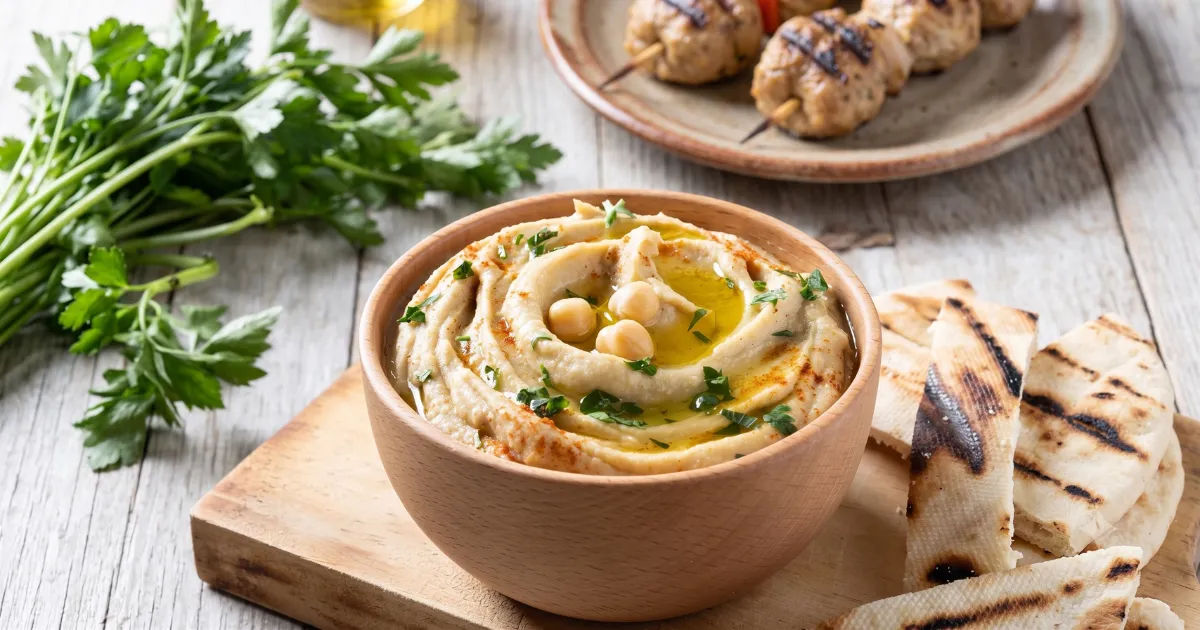
In this guide, we will explore how middle eastern appetizers use mint to enhance taste, texture, and cultural authenticity across different recipes.Mint is not just a garnish in Middle Eastern cuisine—it is a core flavor component. From fresh salads to creamy dips and meat-based starters, mint brings life to many dishes served at family gatherings, restaurants, and festive tables.
Understanding how middle eastern appetizers incorporate mint will help you appreciate their depth and versatility.In this detailed article, you will learn which popular appetizers use mint, why it is so widely used, and how it transforms simple ingredients into unforgettable dishes.
Why Mint is Important in Middle Eastern Cuisine
Mint has been used for centuries in Middle Eastern cooking due to its cooling properties and refreshing aroma. It balances rich ingredients like olive oil, yogurt, and grilled meats. Many middle eastern appetizers rely on mint to cut through heaviness and add freshness.
Mint also plays a cultural role. It is often served with tea, mixed into salads, and used in sauces. Its versatility makes it one of the most valuable herbs in the region. In many households, no appetizer spread is complete without fresh mint leaves.
Another reason mint is important is its digestive benefit. Traditional meals often include multiple small dishes, and middle eastern appetizers use mint to help lighten the meal experience and improve digestion naturally.
Finally, mint enhances presentation. A sprinkle of fresh mint leaves can make even simple dishes look vibrant and appetizing.
Fresh Herbs in Middle Eastern Appetizers
Fresh herbs are essential in Middle Eastern cooking, and mint is among the most prominent. Alongside parsley, cilantro, and dill, mint adds complexity and balance.
Many middle eastern appetizers depend on a combination of these herbs to create signature flavors. Mint, in particular, stands out because it adds both sweetness and coolness.
Herb-heavy dishes are common across the region because they are healthy, aromatic, and easy to prepare. In mezze platters, mint is often found finely chopped or mixed into sauces.
Whether used raw or blended, mint elevates middle eastern appetizers by making them feel lighter and more refreshing. This is especially important in warm climates where these dishes originated.
Tabbouleh – A Mint-Infused Classic
Tabbouleh is one of the most famous salads in Middle Eastern cuisine. It is a parsley-based dish that includes tomatoes, bulgur, lemon juice, olive oil, and mint.
In this dish, mint plays a key role in balancing the earthy flavor of parsley. Many middle eastern appetizers like tabbouleh rely on mint to add brightness and depth.
Without mint, tabbouleh would feel incomplete. The herb gives it a refreshing kick that makes it perfect as a starter dish.
In traditional servings, mint is finely chopped and evenly mixed throughout the salad. This ensures every bite of middle eastern appetizers like tabbouleh carries a hint of cool freshness.
Fattoush – Crispy Salad with Mint Flavor
Fattoush is another popular salad often served as part of mezze platters. It includes crispy pita bread, lettuce, cucumbers, tomatoes, radishes, and herbs.
Mint is essential in fattoush because it enhances the tangy sumac dressing and balances the crunchy textures.
Many middle eastern appetizers like fattoush rely on mint to add contrast to crispy and acidic ingredients. The herb ties all the flavors together, making the dish more cohesive.
Mint leaves are usually torn fresh and added right before serving to maintain their aroma. This simple addition elevates middle eastern appetizers and makes fattoush a refreshing starter.
Tzatziki and Yogurt-Based Dips
Yogurt-based dips are widely used in Middle Eastern cuisine, and mint is often added for flavor. Tzatziki, though originally Greek, is commonly enjoyed across the region and features yogurt, cucumber, garlic, and mint.
Mint gives these dips their cooling effect, making them perfect companions for grilled meats and bread.
Many middle eastern appetizers use mint in yogurt-based sauces because it enhances creaminess without overpowering the dish.
The combination of yogurt and mint creates a refreshing contrast that is especially popular during hot weather. This makes dips like tzatziki a staple in middle eastern appetizers platters.
Labneh with Mint
Labneh is a thick strained yogurt cheese that is often served as a dip or spread. It is commonly topped with olive oil and herbs, especially mint.
Mint adds brightness to labneh and transforms it into a flavorful appetizer.
Many middle eastern appetizers include labneh as a central dip because it is simple, healthy, and versatile.
When mint is mixed into labneh, it creates a creamy yet refreshing flavor profile. This makes it perfect for pairing with pita bread, vegetables, or crackers.
In mezze spreads, labneh with mint is one of the most popular middle eastern appetizers due to its simplicity and taste balance.
Stuffed Grape Leaves (Dolma)
Stuffed grape leaves, also known as dolma or warak enab, are filled with rice, herbs, and sometimes meat. Mint is one of the key herbs used in the filling.
Mint adds a subtle freshness that balances the richness of the rice and olive oil.
Many middle eastern appetizers like dolma rely on mint to enhance the aroma of slow-cooked ingredients.
The herb blends with parsley, dill, and lemon to create a layered flavor profile. Without mint, the dish would lose its signature freshness.
Dolma is often served cold or at room temperature, making it one of the most refreshing middle eastern appetizers.
Mint in Meat-Based Appetizers
Mint is also used in meat-based appetizers such as kibbeh, kofta, and meat dips. It is often mixed into minced meat or used as a garnish.
In kibbeh, mint helps balance the rich flavor of lamb or beef. In kofta, it adds freshness to grilled meat skewers.
Many middle eastern appetizers rely on mint to cut through fatty or heavy ingredients, making them easier to enjoy.
Mint is also used in dipping sauces served with meat appetizers, adding contrast and depth.
These combinations show how versatile middle eastern appetizers can be when mint is incorporated properly.
Mint Sauces and Condiments
Mint is widely used in sauces served alongside appetizers. These include mint yogurt sauce, mint chutney, and mint garlic dips.
These condiments enhance the flavor of bread, grilled vegetables, and small bites.
Many middle eastern appetizers are incomplete without a mint-based sauce on the side. It adds freshness and helps balance stronger spices.
A small amount of mint sauce can transform an entire mezze platter, making it more vibrant and flavorful.
How Mint Enhances Serving Experience
Mint does more than add flavor—it improves the overall dining experience. It refreshes the palate between bites and makes appetizer spreads more enjoyable.
In traditional gatherings, middle eastern appetizers are served in multiple small dishes. Mint helps connect these dishes through a shared freshness.
It also improves visual appeal, as green mint leaves contrast beautifully with colorful salads and dips.
Whether fresh or dried, mint is a defining ingredient in many middle eastern appetizers that enhances both taste and presentation.
Health Benefits of Mint in Appetizers
Mint is not only flavorful but also beneficial for health. It aids digestion, reduces bloating, and provides antioxidants.
These benefits make it a natural choice for use in middle eastern appetizers, where meals often include multiple rich dishes.
Mint also has cooling properties that help balance spicy or oily foods.
Because of these benefits, it has remained a staple ingredient in middle eastern appetizers for generations.
Conclusion
Mint plays an essential role in creating balanced, refreshing, and flavorful dishes across the Middle East. From salads like tabbouleh and fattoush to dips like labneh and yogurt sauces, mint brings life to countless recipes. It also enhances meat-based dishes, stuffed grape leaves, and mezze platters, making it one of the most versatile herbs in the region.
Understanding how middle eastern appetizers use mint helps you appreciate the depth and tradition behind these dishes. Mint is not just an ingredient—it is a defining element that shapes taste, aroma, and cultural identity.
Whether you are preparing a simple appetizer platter or exploring traditional recipes, mint will always remain a key component that ties everything together. Its freshness, health benefits, and flavor-enhancing qualities ensure that it continues to be a staple in Middle Eastern cuisine.